Escalando productos digitales con eficiencia
Getting a first version of a digital product out is always a milestone. Design, Technology, and Activation teams have all played a role. We've completed an initial immersion and research phase and made strategic decisions on architecture, design, navigation, content, development… But after this first version, what happens when you're ready for the next step? What if this product needs to grow? In the digital landscape, we know the only certainty is change. That's why, from day one, we need to prepare our product to add new features or content, or iterate on what we included in that brilliant first version.
Because knowing that digital products are in constant motion is one thing, and actually leaving your product design-ready so it can scale at any moment without redoing the work is another entirely. We're sharing the keys—and secrets—from our Design team on how to scale efficiently.
Understanding the user and their needs
The best way to know how far a product can go is to ask the end user. And not just ask—but truly understand their concerns, their pain points, and their aspirations. With this valuable information, as complete as possible, we can have a clear vision of what the product can become.
After analyzing all the project context, we can give it meaning and structure. In this phase of putting the information into perspective, we'll be able to detect and define the different needs that will become features within the product.
This is where scalability vision comes into play. And prioritization becomes essential. In the MVP (Minimum Viable Product) we'll include what we've identified as most relevant, most fundamental. Everything else goes on the backlog for later phases.
This initial work lets us stay aware, throughout the project, of what may come next. And we can factor it into the following design phases to propose a flow or block in one way or another. Working with this vision, future iterations can almost always build on the previous work.
Consistency is the key: the Design System
Another key aspect to ensure digital product scalability is to start with a solid design foundation that allows us to make decisions and move agilely to drive brand experiences with impact. Our best ally? A solid Design System.
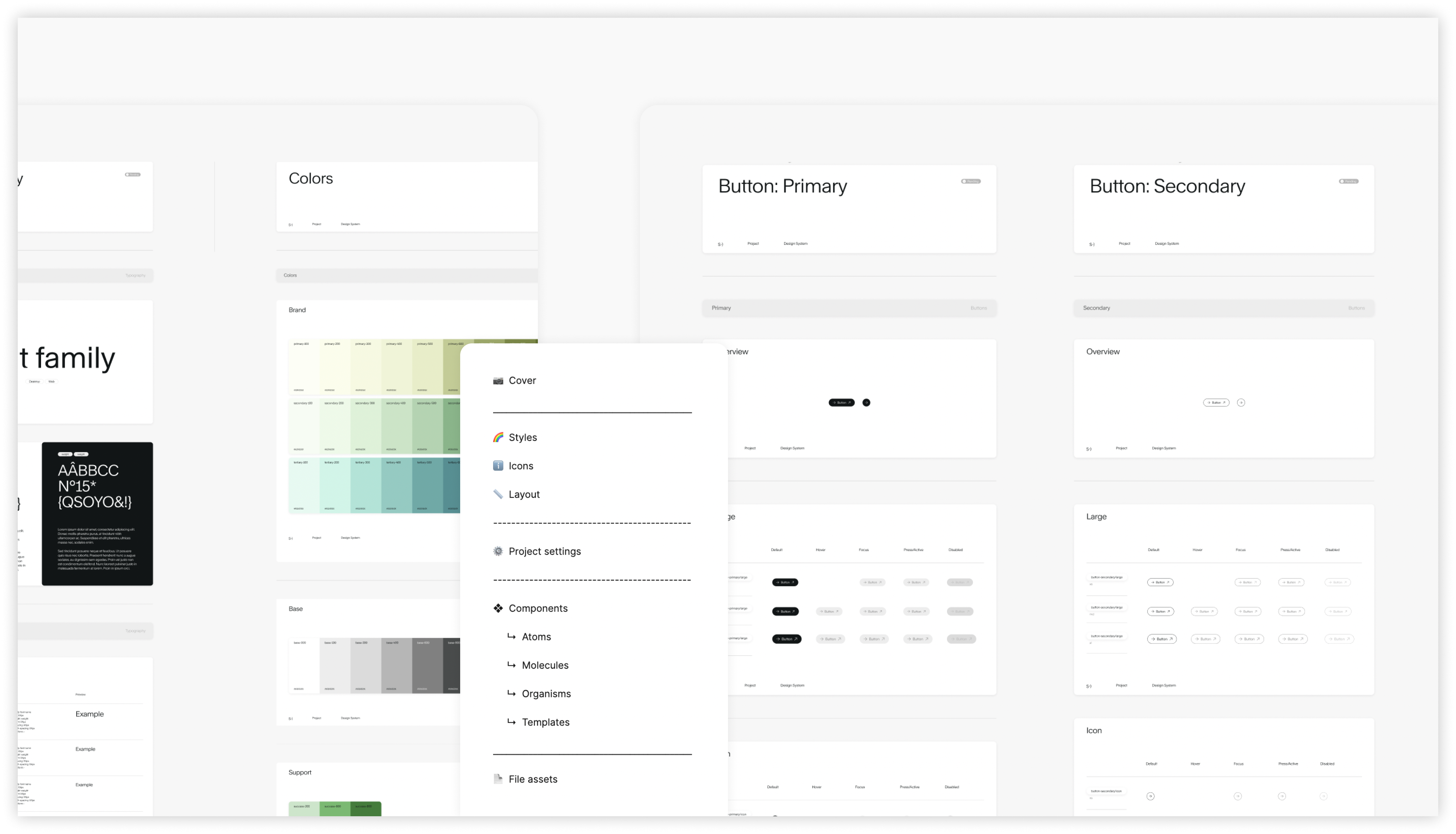
A Design System, or Design System, is a library that stores absolutely everything related to the product: the colors used, text, sizes, button types, blocks, navigation elements… Having everything in one place not only allows us to be coherent and consistent in our decisions, but also to be quick when changes come.
Tackling product iteration without it being a headache is possible when you have a solid design system in place. The time we invest in building it pays dividends.
Designing for all devices
One last point to keep in mind is scalability across different devices. Solving a design at the responsive level—adaptable to different screens—or across different platforms, if it's an application, is the key to maintaining complete and sustainable product coherence.
This approach also helps us solve the design by accounting for all possible variables and combinations (of space, size, etc.) based on device dimensions, ensuring that the same element is resolved in the same way (or very similarly) across the different screens and platforms where it might appear.
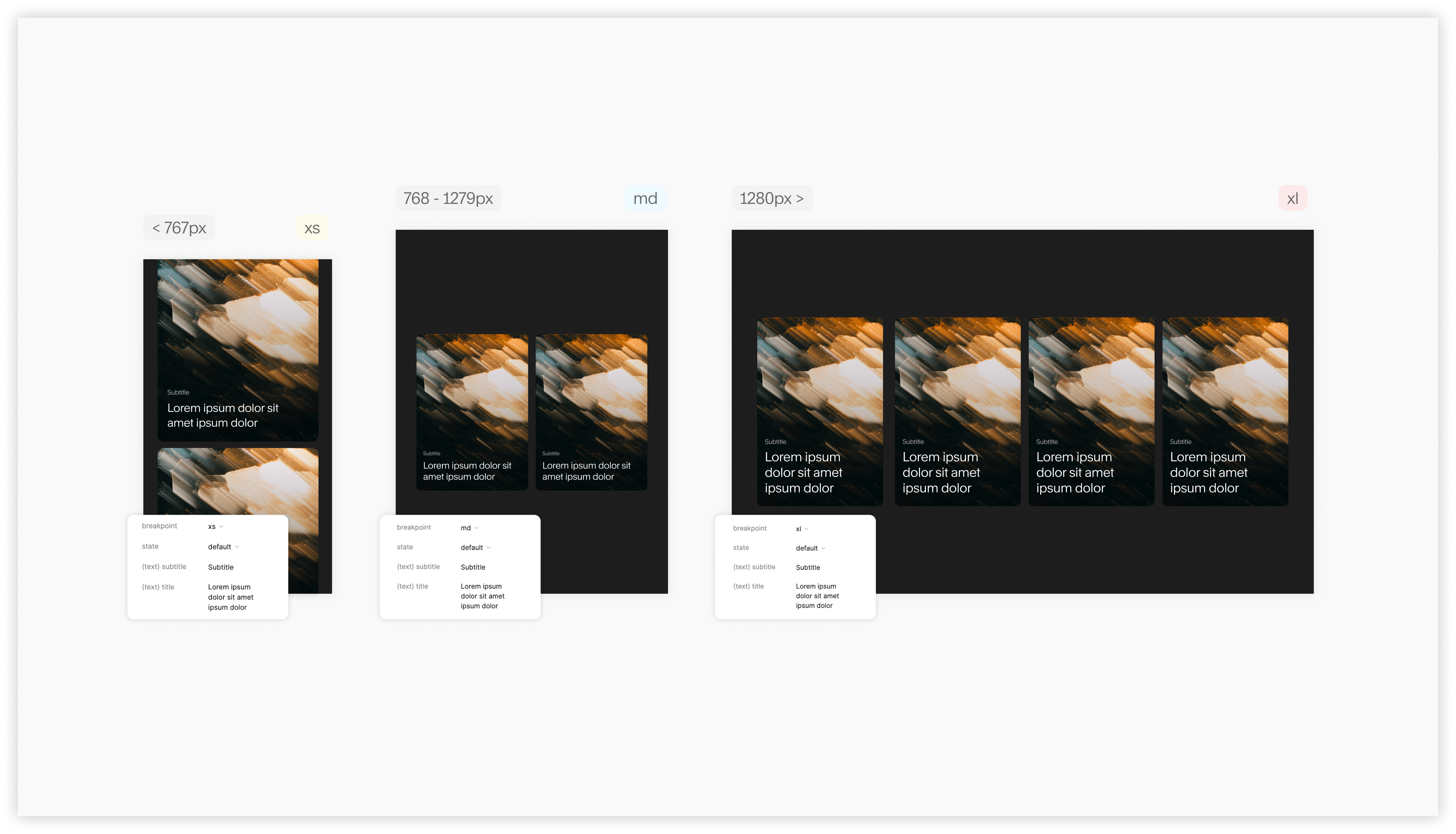
Considering this from the start means that when we propose future changes to our product, it will be easier and faster to make and execute decisions. A single element will be resolved the same way across all possible devices. Like magic, but nothing of the sort.
More efficiency, more happiness
Understanding the user, creating and nurturing our Design System, solving design at the responsive level. What do we achieve if we have these three points clear from the start? We'll create a product that endures over time and is ready for any new need, adapted to user needs and for all devices.
A product that, by giving scalability the importance it deserves from day one, can be iterated in a highly efficient way. A product that will make us a little bit happier—the teams who work with it and of course, the users too.