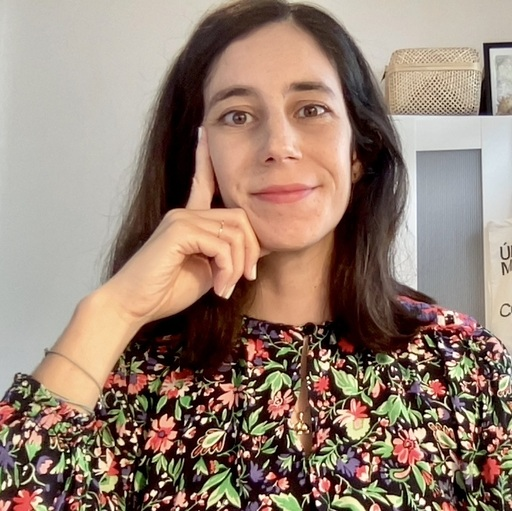
Video for brands in motion
Content is king within our brands' digital ecosystem. We want to attract eyes—and clicks—that will help us meet our goals today and move closer to our vision for lasting impact. And, among many other things, we need to create content that sparks interest to be seen and, even better, shared.
In this exercise of seducing attention and the algorithm, you can't overlook the tool that has shown the most power in recent years. We're talking, of course, about video. An animation for our website homepage, a tutorial explaining how to use our service or product, a reel to post on social, motion graphics about our latest project in a case study…
We have plenty of data about its powers—what we might call proof—and zero doubts, but that doesn't mean it's a foolproof format. Video also feels the pressure of current channel and content saturation, combined with declining attention spans.
So we have to ask ourselves. How do we make sure our animated content achieves its goals? Can strategy, once again, help us be more effective when creating the videos our brand needs? Celia Santos, head of video and motion design at Soluble, tells us how we work to ensure videos help us activate brands, showing good companies to be as good as they really are.
Question. Video growth seems unstoppable. Beyond FOMO, why is it a strategic element for digital brands?
The world is full of devices, screens, everything is increasingly digital, and animation keeps gaining relevance. Today, in this context, I think brands only make sense in motion. They should all be animated.
Now everything is video, professional or not—we consume it all the time. From a video made with a TikTok template by someone with zero editing skills that might get thousands of views, to Apple's most polished presentation. In this reality, we need to be able to communicate at the same speed as other brands to stay in the conversation, where our audiences are, and connect with them. And once that connection is made, how we choose to participate, what kind of video we use, will say a lot about our brand.
Q. With an attention span of 8 seconds, what's left for us?
There's no fixed rule. Obviously, it's important to make engagement videos—short and direct—so people get to know us and become interested in the brand. But we also need to create videos that account for those who are already our audience, that speak to them in the codes they share with the brand. And if we do it well, it can be a longer, less explicit video. They'll watch it.
Q. Its potential is enormous, and leveraging it represents a major challenge…
A single image can convey so much. This capacity is shaped in large part by the composition of its elements—something they controlled as far back as the Renaissance: how elements were arranged in the frame, which was the most important figure. The key was, and still is, how to guide the viewer's eye and what story gets told based on how that path unfolds. It's the same challenge with video: guiding those eyes.
Because it's in motion, we must add other variables: speed, acceleration, rhythm. We have to make all those decisions, multiplied across every frame. Each composition must be perfect to add value, guide the eye, tell a story, and move people.
Q. What makes the difference in a good video?
There are several key elements, but for me number one is concept. It's fundamental to embed the concept behind the video in a storytelling that lets us identify the necessary moments to tell a story, which then gets applied in a realistic storyboard—one that's actually possible to execute with the resources you have, especially time. The tone is also highly relevant: choosing the right one based on what you want to convey and the audience you're addressing.
At Soluble, for example, we make videos that must respond to the brand's strategy and, of course, reflect the brand's identity. That's where we identify what the tone should be.
On a more technical level, curves and transitions matter. When we create a video with motion graphics, the speeds and accelerations we use in the animations make the difference. And we can't forget rhythm, music, and sound effects.
Finally, maybe it's less poetic but equally critical: file cleanliness and organization. If files are organized, the video is more likely to come out organized too—it shows in the final result and saves us time when we want to optimize it. And, very important, it speeds up applying client feedback to the project.
Q. With Soluble's holistic vision, how does video relate to strategy and the elements of the brand universe?
Strategy is essential to start working on a video and solve the challenges we face in telling the brand story. Together with the brand's visual and verbal identity, it helps us establish the aesthetic, tone, and rhythm. It also tells us, for example, in which cases voiceover narration is essential for what we want to convey, or when overlays might work better…
With strategy in mind, and considering the channel and format, we know where we need to go. Whether we need a 15-second video that impacts or a more aspirational, calmer one-minute video where people take a pause to watch it and the logo appears at the end.
Q. Which projects do you enjoy most?
All of them have brought me here. I'm motivated by facing a new challenge and applying new techniques or knowledge if they fit the project. I'm passionate about researching, observing, refreshing my mind, and overcoming the difficulties I encounter along the way. For me, a complete video is one where I start from a script that comes from brand strategy and manage to make everything fit together: it conveys the message, it breathes brand, and on top of that, it moves people.
I'm also very motivated by brand identity presentation videos. Each brand is its own world and each video is too—there are no two alike. You have to go the extra mile in how you present that brand, following that identity and strategy, bringing it to life.
Q. Any trends that have caught your attention lately?
For a while now I've been interested in creative coding, which involves applying programming knowledge to achieve visual results. You can create really wild things that you can't get with standard video and image software. It has some complexity but the results are very creative.
I'm also closely following the new possibilities that Artificial Intelligence offers, for example morphing. Before, with editing software, video transitions weren't attractive at all, and now with AI you achieve transformations between one frame and the next at another level—they're captivating.
Q. What inspires you to create?
I was saying earlier that we're consuming videos all day, so I analyze them all. Beyond what I come across, I search for a lot of video references. For example, I closely follow the work of Buck, all of their videos are very different and they always nail it.
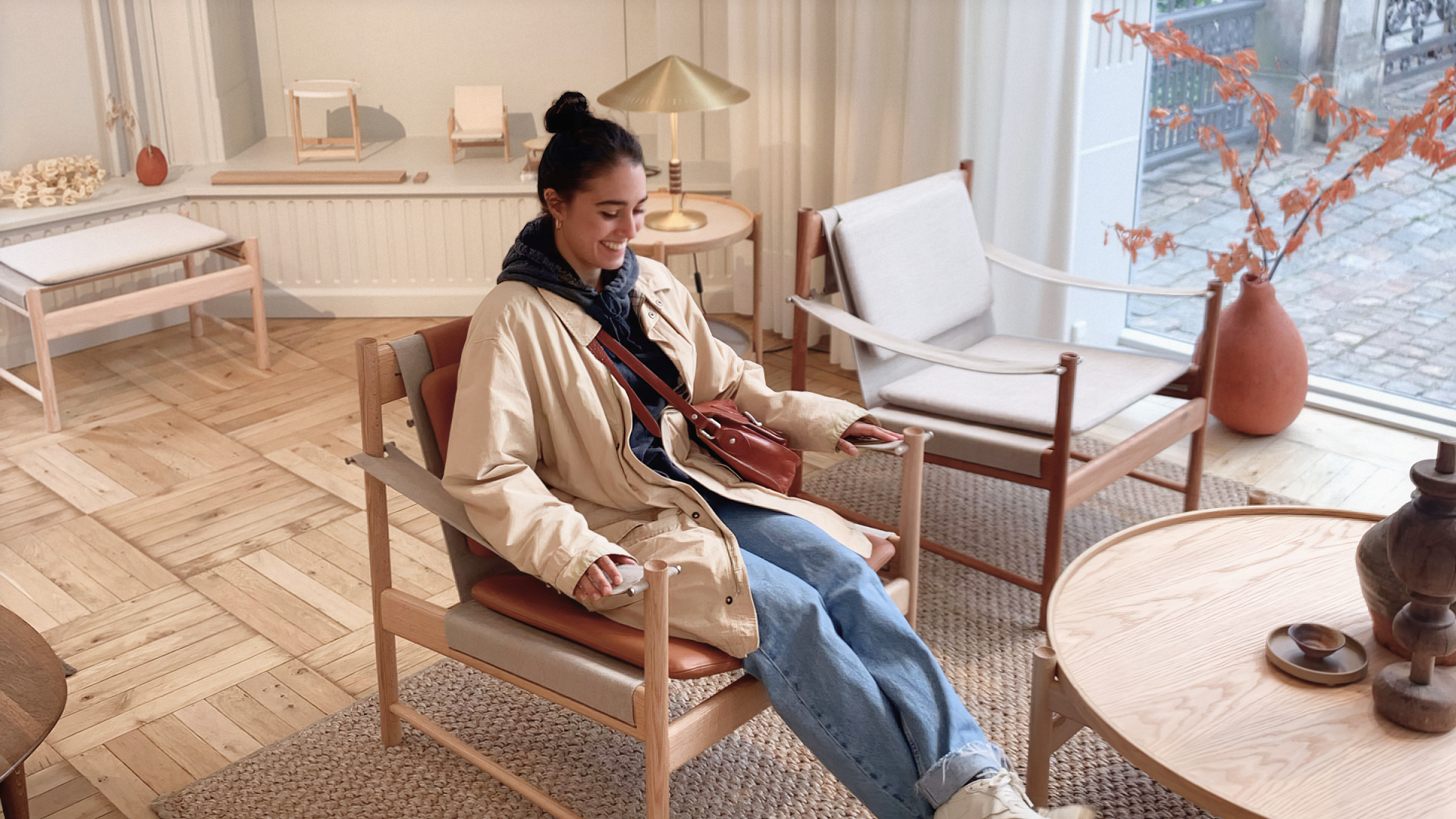
Beyond video, illustration inspires me. There's a book by María Medem, Por culpa de una flor, that blows my mind: the composition, colors, printing… and the panels are like a video story. When I can, I go to exhibitions, museums, design object stores and bookshops… Surrounding myself with these environments, spaces and objects also motivates me. Right now I'm saving up to bring home the furniture I studied in college.
Q. Speaking of education, how did you get into video and animation?
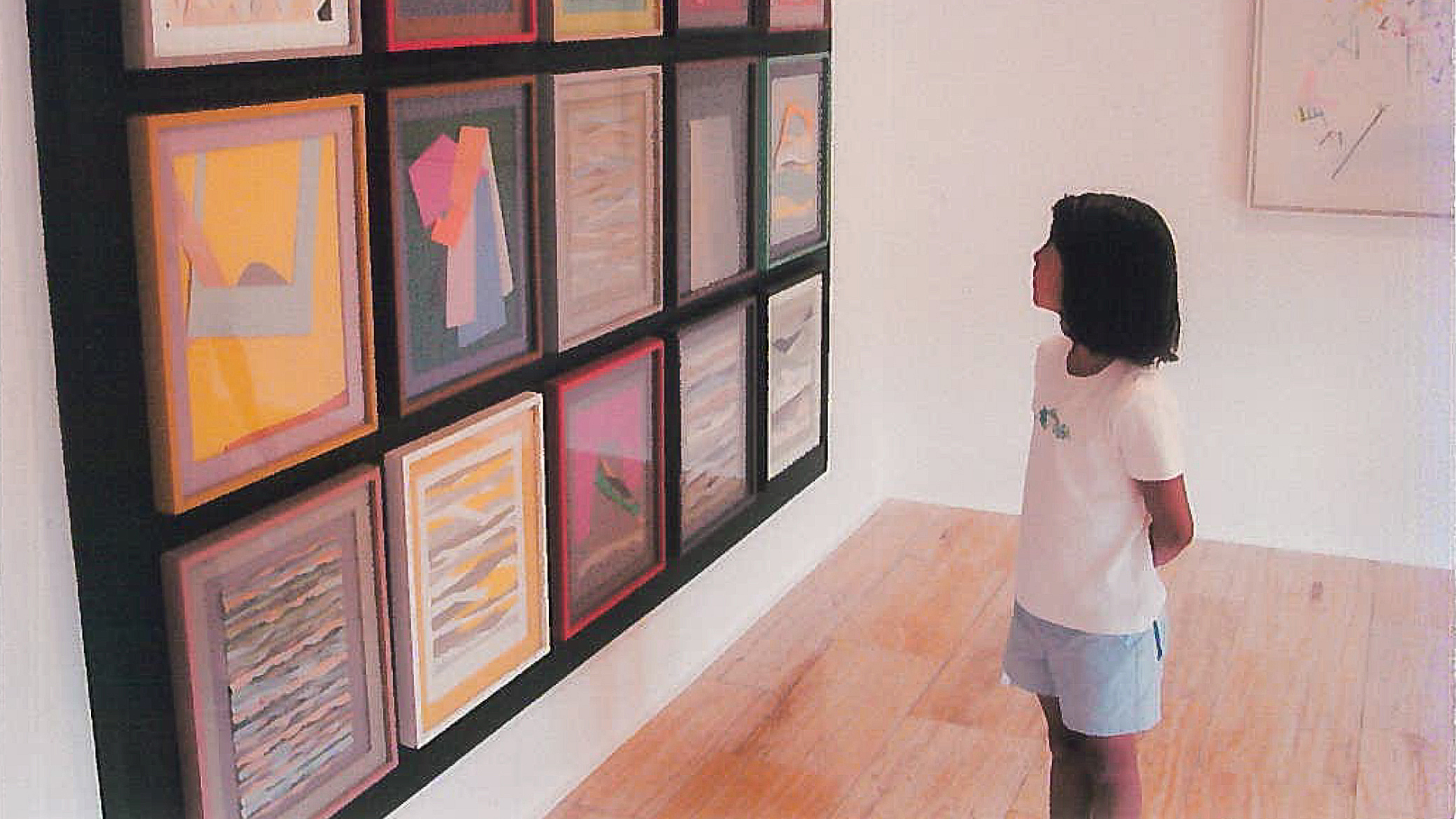
It all just flowed naturally. Even as a kid I was curious and artistic—I was painting all day, practicing acrobatics, taking photos, editing videos… I was on the computer constantly, and my father's influence as a photographer and designer really shaped me.
I studied Industrial Design Engineering and Product Development, which strengthened my creative side and taught me how to structure any kind of project. But even during my degree I started presenting my products with animations, self-taught, and a master's in Illustration, Motion Graphics, and 3D completely hooked me.
Q. Has anyone given you professional advice you still apply today?
I hold onto Mies van der Rohe's motto—less is more. Simple solutions are usually the most effective, and I apply that to every project. I like to let them rest, step back a bit to make sure I'm not losing focus, to get back to the simple idea of what I wanted to do, because in the end that's what works.
Q. And what advice would you give to people starting out?
In any artistic discipline, the most important thing is to observe and research—a lot. In the end, you start seeing references everywhere. Your brain clicks and you begin seeing everything in your daily life as if you're wearing glasses that give you superpowers: you pay attention to details, compositions, color palettes, movements… Everything is an idea you might be able to use in a future project. I'd also tell them to go to talks, events, openings, exhibitions,… whenever they can.
And, the hardest part, try to differentiate yourself. Today there are endless possibilities for creating content, even for people without technical knowledge, so we need to try to give our work that extra something, put your personal stamp on what you do.
Q. What is success for you?
It's like a path you only see when you look back, with everything you've achieved. I think if you set yourself small daily goals and stay true to yourself you end up reaching a point that, for me, is success. Being here, now, for me is a success. As for my work, I'd like, as I do, for there to be people who save my videos in their references. That it reaches people and inspires others.
Q. And happiness?
You have to try to feel satisfied with what you do day after day, every day. Keep searching for those small things that make you happy, getting to know yourself. And that way, be able to nurture them and build little happy moments every single day.
Q. And finally, what is Poder Ser?
It's closely tied to success and happiness. It's following that path, knowing yourself, flowing and seeing where it takes me.
If you let us, Celia, we'll walk with you. A path where we'll keep breathing life and emotion into our digital brands, hand in hand with you.